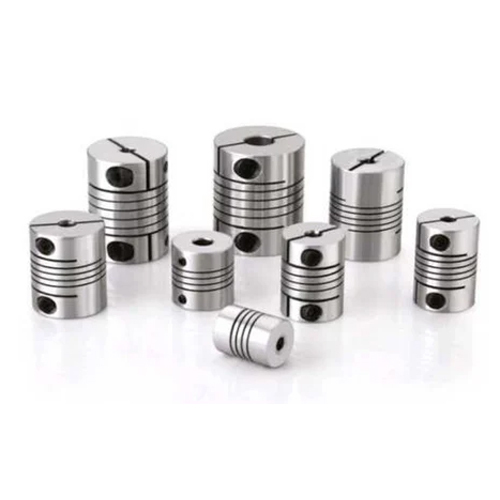
About AF Coupling for Encoders ( Aluminium FLexible Coupling )
An aluminum flexible coupling is a type of mechanical coupling used to connect two shafts together in order to transmit power from one to the other. It consists of two hubs, typically made of aluminum, which are connected by a flexible element in the middle. The flexible element can be made of various materials such as elastomers, metals or composites.
The purpose of the flexible element is to compensate for misalignments between the two shafts, as well as to absorb shock and vibration. This helps to prevent damage to the shafts and other components in the system, as well as to improve overall performance and efficiency.
Aluminum flexible couplings are commonly used in a variety of industrial applications, including pumps, compressors, fans, and conveyors. They are popular due to their lightweight design, corrosion resistance, and ability to handle high speeds and torque loads.
It is important to select the right type of flexible coupling for a given application, taking into account factors such as torque capacity, misalignment compensation, and environmental conditions. Proper installation and maintenance are also critical for ensuring the long-term performance and reliability of the coupling.
High-Quality Material and Surface ProtectionCrafted from premium-grade steel and finished with nickel plating, the AF Coupling for Encoders delivers exceptional mechanical strength and outstanding corrosion resistance. The nickel-plated surface not only enhances longevity but also provides a polished silver appearance, making it suitable for rigorous industrial usage. Its robust construction ensures optimal performance even under demanding conditions.
Flexible Design for Enhanced Encoder PerformanceUtilizing an aluminium structure, the flexible coupling is engineered to accommodate slight shaft misalignments while maintaining precise torque transmission. This flexibility is crucial in minimizing wear and tear on encoders, ultimately extending their operational lifespan. The coupling's standard sizing ensures broad compatibility across various industrial encoder installations.
FAQ's of AF Coupling for Encoders ( Aluminium FLexible Coupling ):
Q: How does nickel plating benefit the AF Coupling for Encoders?
A: Nickel plating significantly enhances the coupling's resistance to corrosion and surface wear, making it suitable for challenging industrial environments. This protective layer extends the life of the coupling, reduces maintenance frequency, and ensures sustained performance with minimal degradation.
Q: What is the process behind installing the AF Coupling for Encoders?
A: Installation involves aligning the encoder shaft with the driven shaft and securely fastening the coupling using the designated screws. The flexible design allows for easy integration without requiring specialized tools, streamlining the assembly process in standard industrial setups.
Q: When should I consider using the aluminium flexible coupling in my industrial setup?
A: You should use the aluminium flexible coupling whenever precise alignment and reliable torque transmission for encoders are needed. Its flexibility helps accommodate slight misalignments, thus protecting sensitive components and ensuring accurate encoder readings in continuous industrial operations.
Q: Where can I source the AF Coupling for Encoders in India?
A: AF Coupling for Encoders is readily available through authorized importers, suppliers, and traders across India. Contact local industrial component suppliers or specialized distributors to obtain the suitable size and configuration for your application.
Q: What are the usage benefits of this coupling for encoder systems?
A: The coupling improves system accuracy by cushioning minor misalignments, thereby safeguarding both the encoder and connected machinery. This results in smoother operation, less wear on components, and reduced downtime for industrial equipment.
Q: How does the flexible design improve process efficiency?
A: The flexible aluminium construction absorbs vibration and misalignment without transferring excessive stress to the encoder or machinery, which helps maintain consistent and accurate signal transmission, reducing the likelihood of operational errors in automated processes.
 GST : 24BDIPP2749H1ZD
 Call Us:- 08071931344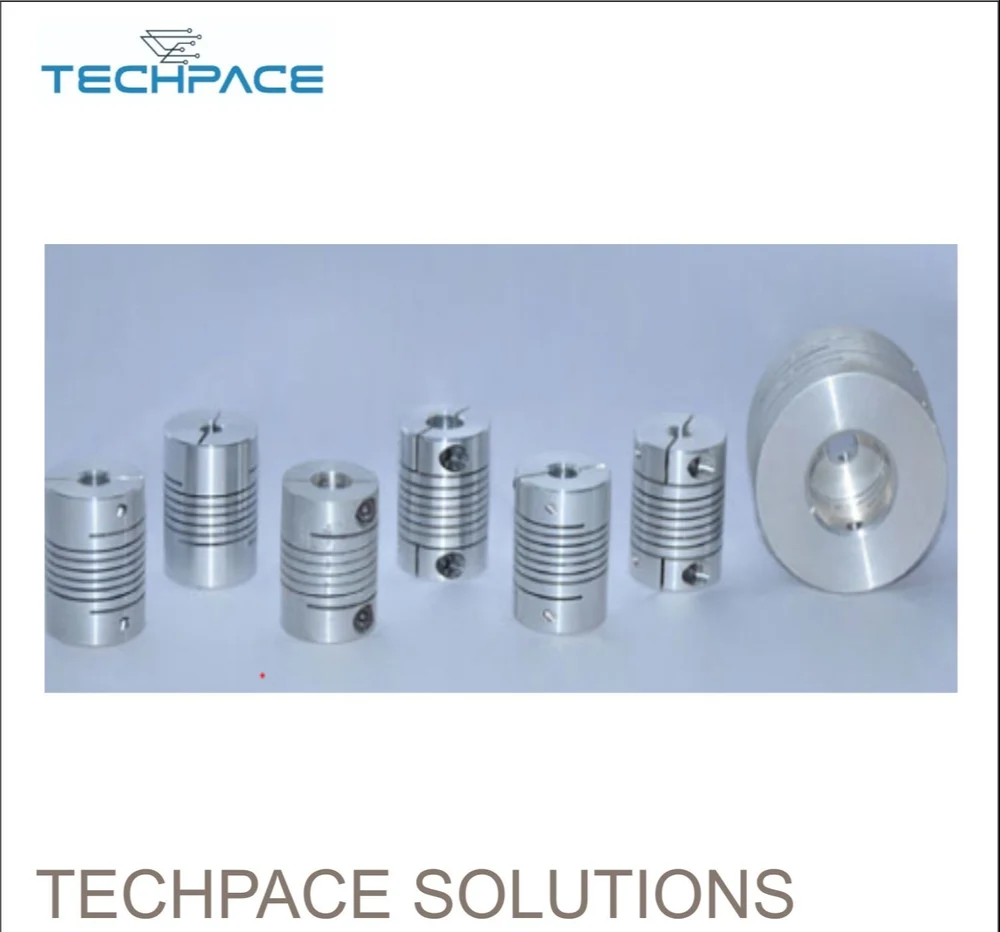






 Get A Quote
 Send Inquiry

 Send Inquiry
 Call Me Free